Birding Safaris in Kenya – The Ultimate Guide to Birding in Kenya

Birding safaris in Kenya offer one of the richest birdwatching experiences in the world. With over 1,150 recorded bird species, diverse ecosystems, and year-round sunshine, birding in Kenya attracts ornithologists, bird photographers, and wildlife enthusiasts from across the globe.

Whether you are planning a Kenya birding safari, a private birdwatching tour, or a specialized bird photography expedition, this comprehensive guide covers the best destinations, habitats, species, and expert tips to help you experience the very best of birdwatching in Kenya.


Why Kenya is a World-Class Birding Destination

Kenya sits at the crossroads of African savannah, Rift Valley lakes, coastal forests, highland forests, and semi-arid northern habitats. This ecological diversity makes Kenya birding tours exceptionally rewarding.

Key reasons why birding safaris in Kenya stand out:

  • Over 1,150 bird species recorded
  • Numerous endemic and near-endemic birds
  • Important migratory bird routes (Palearctic migrants)
  • Excellent infrastructure for guided birding tours
  • Year-round birdwatching opportunities
  • Professional local bird guides in Kenya

From flamingo-covered soda lakes to forest rarities and savannah raptors, birding in Kenya offers unmatched variety.
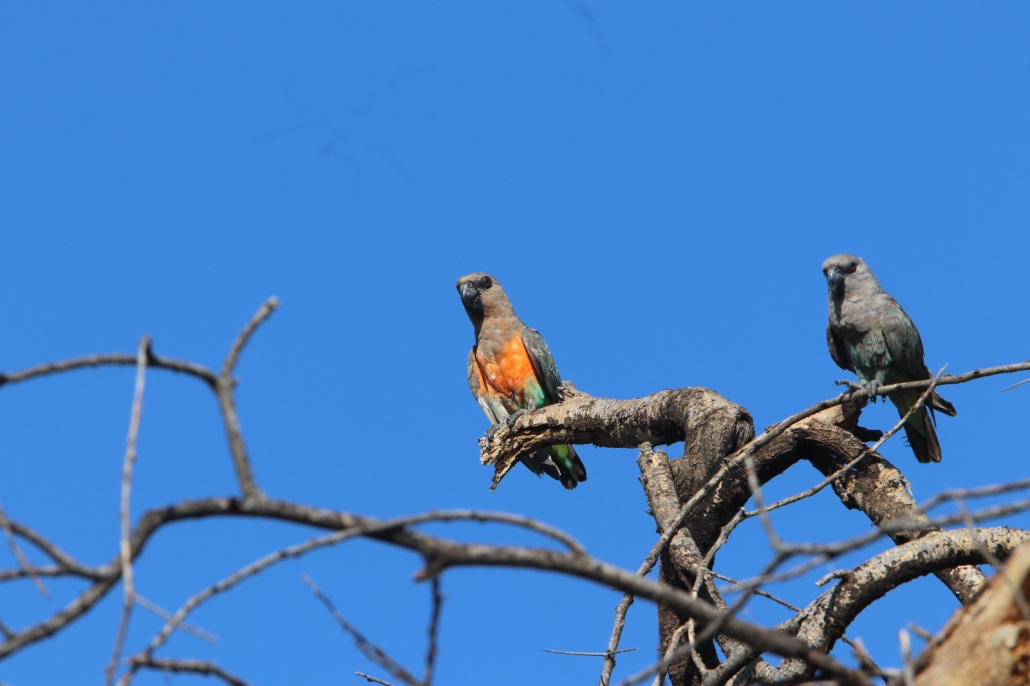

Birding in kenya

Top Birding Safari Destinations in Kenya

Below are the most important areas where birding safaris in Kenya are conducted.


1. Lake Nakuru National Park – Flamingos & Rift Valley Birding

One of the most famous birdwatching destinations in Kenya, Lake Nakuru is renowned for:

  • Greater and Lesser Flamingos
  • Pelicans
  • African Fish Eagle
  • Goliath Heron
  • Numerous waterbirds

This alkaline Rift Valley lake supports large concentrations of waterfowl and is ideal for bird photography safaris in Kenya.

Best for: Waterbirds, flamingos, raptors
Habitat: Soda lake, acacia woodland


2. Lake Baringo – Dry Country Birding Paradise

Lake Baringo is a must-visit during any serious Kenya birding safari. It offers:

  • Northern specials
  • Verreaux’s Eagle
  • Hemprich’s Hornbill
  • Bristle-crowned Starling
  • African Skimmer

This region is perfect for both boat-based birding and shoreline exploration.

Best for: Rare northern species
Habitat: Freshwater lake, arid scrubland


3. Kakamega Forest – Kenya’s Only True Rainforest

If you are interested in forest specialists during your birding in Kenya, Kakamega Forest is essential.

Highlights include:

  • Great Blue Turaco
  • Blue-headed Bee-eater
  • Turner’s Eremomela
  • Various forest greenbuls

Kakamega is ideal for specialized birding safaris Kenya targeting rare and endemic forest species.

Best for: Forest endemics and West African species
Habitat: Tropical rainforest


4. Arabuko Sokoke Forest – Coastal Birding Hotspot

This coastal forest is internationally recognized for its rare birds:

  • Sokoke Scops Owl
  • Amani Sunbird
  • Clarke’s Weaver
  • East Coast Akalat

It is a critical stop on high-end Kenya birdwatching tours.

Best for: Coastal endemics
Habitat: Dry coastal forest


5. Maasai Mara National Reserve – Savannah Birding Safari

While famous for big game, the Maasai Mara is also exceptional for birding safaris in Kenya.

Species include:

  • Secretary Bird
  • Lilac-breasted Roller
  • Martial Eagle
  • Kori Bustard
  • Vultures and raptors

The open savannah makes spotting birds easy, making it excellent for beginner and expert birders alike.

Best for: Raptors and savannah birds
Habitat: Grassland and riverine forest


6. Amboseli National Park – Wetland & Open Plains Birding

Amboseli offers spectacular views of Mount Kilimanjaro alongside rich birdlife:

  • Crowned Cranes
  • Waterfowl
  • Flamingos
  • Raptors
  • Wetland specialists

Amboseli is ideal for combining birdwatching in Kenya with wildlife photography.

Best for: Wetland species
Habitat: Swamps and open plains


7. Samburu National Reserve – Northern Dryland Species

Northern Kenya hosts unique species not easily found elsewhere:

  • Somali Ostrich
  • Vulturine Guineafowl
  • Golden-breasted Starling
  • Northern White-crowned Shrike

This region is critical for comprehensive Kenya birding tours.

Best for: Northern dry-country specialists
Habitat: Semi-arid savannah


8. Mount Kenya National Park – Highland & Montane Birding

High-altitude birding adds diversity to any birding safari Kenya itinerary.

Expect:

  • Jackson’s Francolin
  • Scarlet-tufted Sunbird
  • Alpine Chat
  • Hartlaub’s Turaco

Best for: Montane forest species
Habitat: Highland forest and moorland


Types of Birding Safaris in Kenya

1. Guided Birding Tours

Professional expert bird guides in Kenya lead small group birding safaris with in-depth knowledge of habitats and bird calls.

2. Private Birding Safaris

Customized itineraries for photographers, researchers, or serious listers.

3. Bird Photography Safaris

Focused on positioning, lighting, and rare species sightings.

4. Endemic & Specialty Birding Tours

Target rare and localized species across different ecosystems.


Best Time for Birding in Kenya

Birding in Kenya is excellent year-round, but peak periods include:

  • November to April (migratory birds present)
  • January to March (dry season, easier spotting)

Migratory birds from Europe and Asia increase species diversity significantly.


Sustainable & Ethical Birdwatching in Kenya

Modern birding safaris in Kenya prioritize:

  • Habitat conservation
  • Community-based tourism
  • Responsible wildlife viewing
  • Support for local conservation initiatives

Ethical birdwatching protects habitats while ensuring long-term sustainability of Kenya’s bird populations.


Planning Your Kenya Birding Safari

When organizing birdwatching safaris in Kenya, consider:

  • Target species
  • Preferred habitats
  • Length of tour
  • Private vs small group birding
  • Bird photography needs
  • Accommodation type

Professional local bird guides ensure accurate identification, access to prime birding spots, and seamless logistics.


Final Thoughts: Why Birding Safaris in Kenya Are Unmatched

Few destinations in Africa compare to the diversity found in Kenya. From flamingo-filled lakes to dense rainforests and arid northern reserves, birding in Kenya offers an extraordinary range of species and ecosystems.

Whether you are an amateur birder, seasoned ornithologist, or wildlife photographer, Kenya birding safaris provide unforgettable experiences across some of Africa’s most iconic landscapes.

If you are looking for expertly guided, sustainable, and highly rewarding birdwatching tours in Kenya, this East African gem remains one of the best birding destinations on the planet.

Why Bird Watching Safaris in Kenya Are Unforgettable

Kenya is widely regarded as one of the best destinations in the world for bird watching safaris. With over 1,150 recorded bird species, stunning landscapes, and well-developed safari infrastructure, birding in Kenya offers experiences that are hard to match anywhere else on Earth. Whether you are an amateur birder, professional ornithologist, or wildlife photographer, Kenya provides everything you need for a truly memorable bird watching safari.

In this article, we explore why bird watching safaris in Kenya are so special, highlighting the top destinations, unique species, safari types, and expert tips to help you plan your next adventure.


1. Incredible Diversity of Bird Species

Kenya is home to an extraordinary array of birds, making it a prime destination for birding in Kenya:

  • Endemic birds: Species found only in Kenya, such as the Clarke’s Weaver and Jackson’s Francolin.
  • Migratory birds: Thousands of European and Asian birds visit Kenya’s lakes and wetlands each year.
  • Rare species: Birds like the Sokoke Scops Owl, Vulturine Guineafowl, and Great Blue Turaco attract birding enthusiasts worldwide.

No matter your level of expertise, bird watching safaris in Kenya offer chances to spot both common and highly sought-after species.


2. Diverse Ecosystems for Birding

Kenya’s variety of habitats makes it perfect for birding safaris. Each ecosystem supports unique species:

  • Rift Valley Lakes: Lake Nakuru, Lake Naivasha, and Lake Baringo are famous for flamingos, pelicans, herons, and waterfowl.
  • Savannah & Grasslands: Maasai Mara and Amboseli National Park feature raptors, secretary birds, lilac-breasted rollers, and vultures.
  • Coastal Forests: Arabuko Sokoke and Boni Forests host rare coastal endemics like Clarke’s Weaver and Sokoke Pipit.
  • Highland & Montane Forests: Mount Kenya and Aberdare ranges are home to turacos, sunbirds, and montane francolins.
  • Northern Drylands: Samburu and Marsabit areas feature dry-country species like the Golden-breasted Starling and Somali Ostrich.

This ecological variety ensures that birding in Kenya never gets repetitive and keeps enthusiasts coming back year after year.


3. Expert Local Guides

One of the most important aspects of any bird watching safari in Kenya is the guidance of professional bird guides. Local experts know:

  • Where and when to spot rare or endemic species
  • Bird calls and behavioral patterns
  • Photography tips for capturing stunning shots
  • Conservation practices to minimize disturbance

Guides enhance the safari experience, ensuring both novice and experienced birders get the most out of their Kenya birding tour.


4. Ideal Timing for Bird Watching

While birding is possible year-round, certain periods offer the best experience:

  • November to April: Peak migration season with a high diversity of migratory species.
  • January to March: Dry season, making birds easier to spot in open habitats.
  • July to October: Excellent for flamingo breeding colonies at Rift Valley lakes.

Proper planning ensures that your bird watching safari in Kenya coincides with optimal bird activity.


5. Types of Bird Watching Safaris in Kenya

Kenya offers a range of birding safaris to suit every type of traveler:

  1. Guided Group Tours: Small groups led by expert guides for educational and social experiences.
  2. Private Birding Safaris: Customized itineraries for photographers, researchers, or dedicated birders.
  3. Photography-Focused Safaris: Tours designed around optimal lighting and photographic access.
  4. Specialized Species Tours: Expeditions targeting specific endemic or rare birds across Kenya.

Each type of safari ensures a tailored experience, whether you seek casual sightseeing or intense birding adventures.

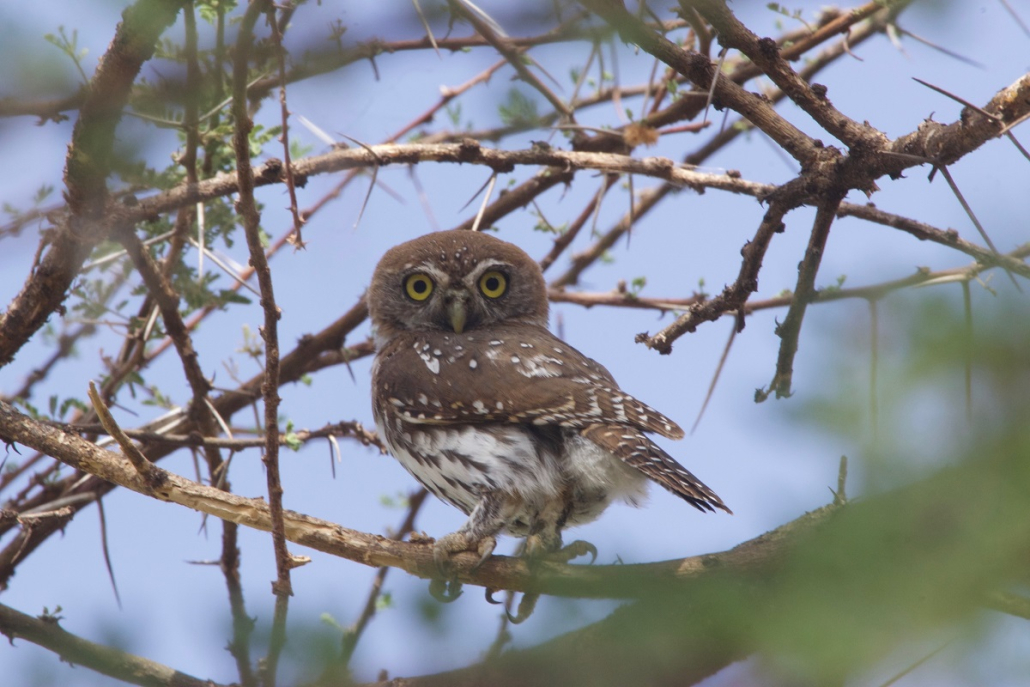
Bird watching safaris in kenya

6. Conservation and Ethical Birding

Modern bird watching safaris in Kenya emphasize sustainable practices:

  • Supporting local conservation initiatives
  • Engaging communities in eco-tourism
  • Minimizing environmental impact
  • Respecting breeding and nesting areas

Ethical birding ensures the long-term survival of Kenya’s incredible birdlife while giving travelers a responsible safari experience.


7. Top Birding Destinations in Kenya

For comprehensive birding safaris, include these top spots:

  • Lake Nakuru National Park – Flamingos and waterbirds
  • Lake Baringo – Northern specialties and freshwater species
  • Maasai Mara National Reserve – Raptors and savannah birds
  • Amboseli National Park – Wetland and plains birds
  • Kakamega Forest – West African forest endemics
  • Arabuko Sokoke Forest – Coastal forest endemics
  • Mount Kenya National Park – Highland species
  • Samburu National Reserve – Northern dry-country specialists

Each destination offers unique habitats and species, making Kenya bird watching safaris a diverse and unforgettable adventure.


8. Why Bird Watching Safaris in Kenya Are Unique

  • Unmatched species diversity across Africa
  • Easy accessibility to top birding locations
  • Expert local guides with deep knowledge
  • Opportunities for photography, research, and eco-tourism
  • Sustainable and ethical practices

No other country in East Africa offers the combination of accessibility, species richness, and safari infrastructure that Kenya does.


Final Thoughts

If you are passionate about birding in Kenya, there is no better destination than this East African jewel. From flamingo-draped lakes and lush forests to savannahs and highlands, bird watching safaris in Kenya offer experiences that are educational, thrilling, and unforgettable.

Plan your next Kenya birding safari today and discover why this country is one of the most celebrated birding destinations in the world.

Birdwatching Safaris in Samburu, Marsabit, and Northern Kenya: A Birding Haven in the Wild

Northern Kenya is a hidden gem for birdwatching, offering a unique blend of arid landscapes, riverine forests, and montane ecosystems that support a diverse array of rare and endemic bird species. The region, including Samburu National Reserve, Marsabit National Park, and the vast northern wilderness, provides an unrivaled birding experience for both novice and seasoned birdwatchers.

1. Samburu National Reserve

Location:

Samburu National Reserve is situated along the Ewaso Nyiro River, approximately 350 km north of Nairobi in Samburu County. The reserve covers an area of 165 square kilometers, offering a mix of semi-arid savannah, acacia woodlands, and riverine vegetation.

Bird Species in Samburu:

Samburu’s rich ecosystem hosts over 450 bird species, making it a prime birding destination.

Notable Birds:

  • Vulturine Guineafowl – A striking bird with blue and black plumage, found in dry scrublands.
  • Somali Ostrich – Larger and bluer than the common ostrich, adapted to arid environments.
  • Golden-breasted Starling – One of Africa’s most beautiful starlings, found in acacia woodlands.
  • White-headed Mousebird – A unique mousebird species exclusive to arid northern Kenya.
  • Taita Falcon – A rare and elusive raptor, often seen along cliffs.
  • Yellow-throated Sandgrouse – Commonly found in dry open plains.

Other Birds:

  • Secretary Bird
  • African Pygmy Falcon
  • Northern Red-billed Hornbill
  • Eastern Chanting Goshawk
  • Rosy-patched Bushshrike
  • Buff-crested Bustard

Best Birding Spots in Samburu:

  • Ewaso Nyiro Riverbanks – Excellent for spotting waterbirds and raptors.
  • Acacia Scrublands – Home to starlings, hornbills, and bustards.
  • Rocky Hills and Cliffs – Best place to find raptors like the Taita Falcon and Augur Buzzard.

2. Marsabit National Park

Location:

Marsabit National Park lies 560 km north of Nairobi, surrounding Marsabit Mountain, an extinct volcanic mountain that creates a montane forest oasis in the middle of an otherwise arid landscape.

Bird Species in Marsabit:

Marsabit is a critical refuge for forest, savannah, and wetland birds.

Notable Birds:

  • Abbott’s Starling – A rare and localized species found in montane forests.
  • Hartlaub’s Turaco – A striking green and red bird often seen in dense forests.
  • Vermilion Flycatcher – A bright red and black insectivore found near water sources.
  • Heuglin’s Bustard – A large ground bird commonly seen in open grasslands.
  • Donaldson-Smith’s Nightjar – A nocturnal bird unique to northern Kenya.
  • White-bellied Go-away-bird – Found in acacia woodlands.

Best Birding Spots in Marsabit:

  • Gof Sokorte Guda Crater Lake – Excellent for waterbirds and raptors.
  • Montane Forest Trails – Good for turacos, sunbirds, and starlings.
  • Acacia Savannahs – Home to bustards, hornbills, and sandgrouse.

3. Other Birding Hotspots in Northern Kenya

Beyond Samburu and Marsabit, northern Kenya’s wilderness offers exceptional birdwatching locations:

Buffalo Springs National Reserve

  • Masked Lark – An endemic species unique to dry savannahs.
  • Blue-naped Mousebird – Commonly seen in lowland areas.
  • Pink-breasted Lark – A bird species associated with dry bushlands.

Shaba National Reserve

  • Golden Pipit – A rare and striking bird of open grasslands.
  • Lichtenstein’s Sandgrouse – Found in dry areas near water sources.

Chalbi Desert & Lake Paradise (Marsabit Highlands)

  • Egyptian Vulture – Frequently seen in desert landscapes.
  • Crowned Sandgrouse – Perfectly adapted to arid environments.
  • Greater Flamingo – Occasionally found at seasonal water bodies.

Best Time for Birdwatching in Northern Kenya

The best time for birdwatching in Samburu, Marsabit, and northern Kenya is from November to April, when migratory birds arrive, and local species are in breeding plumage. However, birding is excellent all year round, with different species visible in different seasons.


Birdwatching Safari Experience in Northern Kenya

A birding safari in Northern Kenya offers a variety of experiences:

  • Game Drives – Explore vast savannahs and acacia woodlands.
  • Guided Bird Walks – Discover forest and desert species with expert guides.
  • Photography Safaris – Capture breathtaking birdlife in diverse landscapes.
  • Boat Rides (in suitable areas) – Spot wetland birds where water sources exist.

Other Wildlife in Northern Kenya

While birdwatching, visitors can also see unique wildlife, including:

  • Grevy’s Zebra – Found in Samburu, one of the rarest zebras in the world.
  • Reticulated Giraffe – Distinguished by its striking coat pattern.
  • Beisa Oryx – A desert-adapted antelope with long straight horns.
  • Gerenuk – A long-necked antelope often seen standing on its hind legs.
  • Elephants, Leopards, and Lions – Spotted along riverbanks and open savannahs.

How to Get to Northern Kenya

  • By Road: A drive from Nairobi to Samburu (6 hours), Marsabit (9-10 hours).
  • By Air: Charter flights available to Samburu, Marsabit, and Buffalo Springs.
  • Public Transport: Buses and matatus operate from Nairobi to major northern towns.

Where to Stay in Northern Kenya

Birdwatchers can choose from a variety of lodges and camps:

  • Sarova Shaba Game Lodge – Luxury stay near Shaba Reserve.
  • Samburu Game Lodge – Located along the Ewaso Nyiro River.
  • Marsabit Lodge – Best for birding near Marsabit’s forests.
  • Elephant Bedroom Camp – An intimate luxury camp in Samburu.
  • Sabache Camp – A budget-friendly option near Samburu Reserve.

Why Choose Northern Kenya for a Birdwatching Safari?

  1. Diverse Birdlife – Unique mix of savannah, forest, and desert species.
  2. Rare and Endemic Birds – Includes Vulturine Guineafowl, Somali Ostrich, and Abbott’s Starling.
  3. Scenic Landscapes – Stunning backdrops of deserts, mountains, and rivers.
  4. Rich Cultural Experiences – Interact with Samburu and Rendille communities.
  5. Exclusive Safaris – Experience uncrowded birdwatching destinations.

Conclusion

A birdwatching safari in Samburu, Marsabit, and Northern Kenya is an unforgettable experience. Whether exploring riverine forests, desert landscapes, or highland montane habitats, this region offers an exceptional variety of bird species in one of Kenya’s most untouched wilderness areas.

Book Your Northern Kenya Birdwatching Safari Today!

Plan your birding adventure in Northern Kenya and discover some of the most spectacular and rare bird species in Africa!

Birdwatching Safaris in Lake Naivasha : A Birding Paradise in Kenya

Lake Naivasha, a freshwater lake in Kenya’s Great Rift Valley, is a top birdwatching destination with over 350 bird species. Its diverse ecosystem, including open water, wetlands, acacia woodlands, and grassy shores, provides a perfect habitat for both resident and migratory birds.

Location of Lake Naivasha

Lake Naivasha is located approximately 90 km northwest of Nairobi in Nakuru County. It sits at an altitude of 1,884 meters above sea level, making it the highest lake in the Rift Valley. The lake covers an area of 139 square kilometers, with fluctuating shorelines due to seasonal rainfall.

Bird Species in Lake Naivasha

Lake Naivasha’s ecosystem supports a wide variety of birds, from waterbirds and raptors to savannah and woodland species.

Waterbirds:

  • African Fish Eagle – One of the most iconic raptors, often seen swooping for fish.
  • Great White Pelican – Large, social birds commonly seen in flocks.
  • Pied Kingfisher – Frequently hovers over the water before diving for fish.
  • Little Egret – Elegant, white heron often wading in shallow waters.
  • Goliath Heron – The largest heron in the world, found along the lake’s edge.
  • Yellow-billed Stork – A striking bird with a long, curved bill for fishing.
  • Jacana (Lily-trotter) – Walks effortlessly on floating vegetation.

Woodland and Savannah Birds:

  • Lilac-breasted Roller – Kenya’s national bird, known for its brilliant colors.
  • Superb Starling – A striking bird with metallic blue and orange plumage.
  • White-fronted Bee-eater – Seen in colonies along riverbanks and cliffs.
  • Speckled Mousebird – Commonly seen in acacia trees around the lake.
  • African Hoopoe – Recognizable by its orange crest and black-and-white markings.

Birds of Prey:

  • Martial Eagle – One of Africa’s most powerful raptors.
  • Augur Buzzard – Often seen soaring above the lake’s surroundings.
  • Verreaux’s Eagle-Owl – A nocturnal predator found in woodlands.
  • Black Kite – Frequently seen gliding over the lake in search of prey.

Migratory Birds (Seasonal Visitors):

  • European Bee-eater – A colorful migrant from Europe and Asia.
  • Barn Swallow – Commonly seen in large flocks.
  • Common Sandpiper – A small wader found along the lake’s shoreline.
  • Steppe Eagle – A migratory raptor from Eurasia, spotted between October and April.

Best Time for Birdwatching in Lake Naivasha

The best time for birdwatching in Lake Naivasha is from October to April, when migratory birds arrive, and resident species are in their breeding plumage. However, birding is excellent all year round, with early mornings and late afternoons offering the best sightings.

Birdwatching Safari Experience in Lake Naivasha

A birding safari in Lake Naivasha offers several ways to explore the area’s rich avian life:

  • Boat Safaris – Glide across the lake for close encounters with waterbirds and hippos.
  • Walking Safaris – Explore Crescent Island and nearby nature reserves on foot.
  • Game Drives – Visit nearby Hell’s Gate National Park for additional bird species.
  • Photography Tours – Capture stunning images of birds in their natural habitat.

Other Wildlife in Lake Naivasha

While birdwatching, visitors may also see hippos, giraffes, zebras, buffaloes, and colobus monkeys. Nearby sanctuaries and parks offer encounters with eland, impalas, and warthogs.

How to Get to Lake Naivasha

  • By Road: A 2-hour drive from Nairobi via the Nairobi-Nakuru highway.
  • By Air: Flights from Nairobi land in Naivasha or nearby airstrips.
  • Public Transport: Buses and matatus travel from Nairobi to Naivasha town, where taxis can be hired to the lake.

Where to Stay Near Lake Naivasha

Birdwatchers can choose from luxury lodges, tented camps, and budget-friendly accommodations:

  • Lake Naivasha Sopa Resort – A luxury lodge with lake views and abundant birdlife.
  • Kiboko Luxury Camp – A tented camp offering close encounters with nature.
  • Crayfish Camp – A budget-friendly option with great birding opportunities.
  • Sawela Lodge – Located near the lake, perfect for birdwatchers.

Why Choose Lake Naivasha for a Birdwatching Safari?

  1. Diverse Birdlife – Over 350 bird species, including rare and migratory birds.
  2. Scenic Landscapes – Enjoy birdwatching in a breathtaking Rift Valley setting.
  3. Varied Habitats – Experience open water, wetlands, woodlands, and savannah ecosystems.
  4. Boat Safaris – Unique birding experience with close views of waterbirds.
  5. Proximity to Nairobi – A convenient birding destination just a short drive away.

Conclusion

A birdwatching safari in Lake Naivasha offers an unforgettable experience for bird lovers. With its rich biodiversity, stunning landscapes, and diverse bird species, Lake Naivasha is a must-visit destination for anyone passionate about birding in Kenya.

Book Your Lake Naivasha Birdwatching Safari Today!

Plan your birding adventure in Lake Naivasha and explore one of Kenya’s premier birding locations!

Birdwatching Safaris in Arabuko Sokoke Forest : A Hidden Birding Gem in Kenya

Arabuko Sokoke Forest, located along Kenya’s coast, is the largest coastal dry forest in East Africa and a top destination for birdwatching enthusiasts. This unique forest is home to over 270 bird species, including several endangered and endemic birds found nowhere else in the world.

Location of Arabuko Sokoke Forest

Arabuko Sokoke Forest is situated on Kenya’s north coast, about 110 km north of Mombasa and 20 km south of Malindi. The forest covers approximately 420 square kilometers, extending inland from the Indian Ocean and forming part of the larger Eastern Arc and Coastal Forest Biodiversity Hotspot.

Bird Species in Arabuko Sokoke Forest

Arabuko Sokoke is famous for hosting rare and endemic bird species, making it a must-visit for serious birders. The forest consists of three main habitats—Brachystegia woodland, Cynometra forest, and Mixed Forest—each supporting different bird species.

Endemic and Rare Birds:

  • Sokoke Scops Owl – Found only in Arabuko Sokoke, one of Africa’s rarest owls.
  • Amani Sunbird – A beautiful sunbird restricted to coastal forests.
  • Clarke’s Weaver – A critically endangered species, only found in Kenya.
  • Sokoke Pipit – A ground-dwelling bird endemic to the forest.
  • East Coast Akalat – A secretive bird often heard rather than seen.
  • Spotted Ground Thrush – A globally endangered species found in the forest.

Other Notable Birds:

  • Mangrove Kingfisher – Found in the wetter areas of the forest.
  • Scaly Babbler – Often seen in small flocks in wooded areas.
  • Narina Trogon – A brilliantly colored bird spotted in forested regions.
  • African Pygmy Kingfisher – A tiny, vibrant kingfisher common in the undergrowth.
  • Golden Palm Weaver – Easily identified by its bright yellow plumage.

Migratory Birds (Seasonal Visitors):

  • Eurasian Golden Oriole – A striking migrant from Europe.
  • Common Nightjar – A nocturnal bird seen during migration periods.
  • African Paradise Flycatcher – Present year-round but increases in number seasonally.
  • Barn Swallow – Migrates from Europe during certain times of the year.

Best Time for Birdwatching in Arabuko Sokoke

The best time for birdwatching in Arabuko Sokoke Forest is from October to April, when migratory birds arrive, and resident species are most active. The early mornings and late afternoons offer the best opportunities to spot rare species.

Birdwatching Safari Experience in Arabuko Sokoke

A birding safari in Arabuko Sokoke provides a truly immersive experience:

  • Guided Nature Walks – Explore the forest with an expert guide to locate rare birds.
  • Birdwatching Towers – Elevated platforms provide panoramic views for bird spotting.
  • Photography Tours – Capture incredible birdlife in their natural habitat.
  • Night Birding Tours – Search for nocturnal species like the Sokoke Scops Owl.

Other Wildlife in Arabuko Sokoke

Besides birds, Arabuko Sokoke Forest is home to rare mammals such as the Golden-rumped Elephant Shrew, Sokoke Bushy-tailed Mongoose, and Ader’s Duiker. The forest also hosts a variety of butterflies, amphibians, and reptiles.

How to Get to Arabuko Sokoke

  • By Road: A 30-minute drive from Malindi or a 2-hour drive from Mombasa.
  • By Air: Flights from Nairobi land in Malindi or Mombasa, with road connections to the forest.
  • Public Transport: Matatus from Malindi or Kilifi stop near the forest entrance.

Where to Stay Near Arabuko Sokoke

Birdwatchers can stay in lodges and camps near Malindi, Watamu, or Kilifi:

  • Turtle Bay Beach Club – A great option for birders combining beach and forest visits.
  • Watamu Treehouse – Offers eco-friendly accommodation close to the forest.
  • Kobe Suite Resort – A luxury stay near Arabuko Sokoke and other attractions.
  • Gede Ruins Camp – A budget-friendly choice for nature enthusiasts.

Why Choose Arabuko Sokoke for a Birdwatching Safari?

  1. Endemic Bird Species – Spot rare birds found nowhere else in the world.
  2. Rich Biodiversity – Explore one of Africa’s most important coastal forests.
  3. Year-Round Birding – Excellent birdwatching opportunities throughout the year.
  4. Scenic and Peaceful – Experience birding in a tranquil, less crowded environment.
  5. Photography Opportunities – Capture stunning images of colorful sunbirds, owls, and trogons.

Conclusion

A birdwatching safari in Arabuko Sokoke Forest is a dream for any birding enthusiast. With rare endemic species, breathtaking coastal forest landscapes, and diverse wildlife, this destination offers an unforgettable experience for bird lovers.

Book Your Arabuko Sokoke Birdwatching Safari Today!

Plan your birding adventure in Arabuko Sokoke Forest and discover the incredible birdlife of Kenya’s coastal forests!

Birdwatching Safaris in Amboseli National Park : A Haven for Bird Enthusiasts

Amboseli National Park is renowned for its stunning views of Mount Kilimanjaro and large elephant herds, but it is also a prime birdwatching destination. With over 420 bird species, Amboseli’s mix of wetlands, savannahs, and acacia woodlands offers a unique birding experience for nature lovers and photographers.

Location of Amboseli National Park

Amboseli National Park is located in southern Kenya, near the Kenya-Tanzania border, approximately 240 km from Nairobi. It spans about 392 square kilometers, featuring open plains, swamps, and seasonal lakes, which provide diverse habitats for both resident and migratory birds.

Bird Species in Amboseli National Park

Amboseli is home to a variety of waterbirds, raptors, savannah birds, and migratory species.

Waterbirds:

  • Greater and Lesser Flamingos – Seasonal visitors to Amboseli’s alkaline lakes.
  • Grey Crowned Crane – A beautiful bird with an elegant golden crest.
  • African Jacana – Known for its long toes, allowing it to walk on floating vegetation.
  • Pelicans – Frequently seen in Amboseli’s swamps and lakes.
  • Yellow-billed Stork – A striking wader that feeds in shallow waters.

Birds of Prey:

  • Martial Eagle – The largest eagle in Africa, often perched on tree branches.
  • Tawny Eagle – Commonly seen soaring over the savannah.
  • African Fish Eagle – Recognized by its bold colors and iconic call.
  • Pygmy Falcon – A small yet powerful predator found in dry areas.
  • Secretary Bird – A unique ground-hunting raptor known for its long legs.

Savannah and Woodland Birds:

  • Kori Bustard – Africa’s heaviest flying bird, often found in open areas.
  • Yellow-throated Sandgrouse – Seen near waterholes, especially in the morning.
  • Lilac-breasted Roller – Kenya’s national bird, displaying vibrant colors.
  • Superb Starling – Common across Amboseli, with iridescent blue and orange plumage.
  • White-bellied Go-away Bird – Named for its distinctive alarm call.

Migratory Birds:

  • European Bee-eater – A seasonal visitor from Europe and Asia.
  • Common Swift – A high-speed flier that arrives during migration.
  • Steppe Eagle – Migrates from Eurasia, seen between October and April.
  • Barn Swallow – A common migratory species seen in large numbers.

Best Time for Birdwatching in Amboseli

The best time for birdwatching in Amboseli is from November to April, when migratory birds arrive, and resident species are in their breeding plumage. The dry season (June to October) is also great for spotting birds as they gather around water sources.

Birdwatching Safari Experience in Amboseli

A birding safari in Amboseli offers multiple ways to explore its rich avian life:

  • Game Drives – Cover vast areas while spotting birds and other wildlife.
  • Guided Nature Walks – Explore woodlands and swamps on foot for closer encounters.
  • Photography Tours – Capture stunning images of birds in their natural habitat.
  • Swamp Visits – Amboseli’s swamps attract a high concentration of birdlife, making them ideal for birdwatching.

Other Wildlife in Amboseli

While birdwatching, visitors can also see elephants, lions, cheetahs, buffaloes, zebras, giraffes, hippos, and hyenas. Amboseli’s swamps and seasonal lakes provide a thriving ecosystem that supports both birds and mammals.

How to Get to Amboseli

  • By Road: A 4-5 hour drive from Nairobi via Emali or Namanga.
  • By Air: Several airlines operate daily flights to Amboseli airstrips from Wilson Airport.
  • Public Transport: Buses and matatus travel to towns near Amboseli, where private vehicles can be hired to reach the park.

Where to Stay in Amboseli

Birdwatchers can choose from luxury lodges, tented camps, and budget-friendly accommodations:

  • Amboseli Serena Safari Lodge – Located in the park with easy access to birding hotspots.
  • Tortilis Camp – Overlooks Mount Kilimanjaro and is ideal for birdwatching.
  • Ol Tukai Lodge – Surrounded by swamps, offering excellent birding opportunities.
  • Kibo Safari Camp – A comfortable tented camp near the park’s entrance.

Why Choose Amboseli for a Birdwatching Safari?

  1. Diverse Birdlife – Over 420 bird species, including waterbirds, raptors, and savannah birds.
  2. Scenic Landscapes – Enjoy birdwatching with the breathtaking backdrop of Mount Kilimanjaro.
  3. Unique Wetlands – Amboseli’s swamps attract a high concentration of birds, especially in the dry season.
  4. Abundant Wildlife – Spot a variety of mammals alongside your birding experience.
  5. Photography Opportunities – Capture incredible bird and wildlife moments.

Conclusion

A birdwatching safari in Amboseli National Park is a must for any bird lover visiting Kenya. With its diverse bird species, breathtaking landscapes, and rich wildlife, Amboseli offers an unparalleled birding experience in one of Africa’s most iconic safari destinations.

Book Your Amboseli Birdwatching Safari Today!

Plan your birding adventure in Amboseli and explore the avian wonders of this spectacular national park!

Birdwatching Safaris in Masai Mara : A Paradise for Bird Lovers

Masai Mara National Reserve is world-renowned for its big game safaris, but it is also a premier birdwatching destination, boasting over 500 bird species. From vast savannahs to riverine forests and seasonal wetlands, the diverse habitats of the Mara make it a birding paradise for enthusiasts and photographers alike.

Location of Masai Mara National Reserve

Masai Mara is located in southwestern Kenya, about 225 km from Nairobi, and forms part of the greater Serengeti-Mara ecosystem. Covering approximately 1,510 square kilometers, the reserve’s open plains, acacia woodlands, and riverbanks provide perfect habitats for a wide range of bird species.

Bird Species in Masai Mara

Masai Mara’s rich ecosystem supports a variety of resident and migratory birds, including raptors, waterbirds, and savannah specialists.

Savannah and Grassland Birds:

  • Secretary Bird – A striking raptor often seen striding across the plains hunting snakes.
  • Ostrich – The world’s largest bird, commonly spotted roaming the savannah.
  • Kori Bustard – Africa’s heaviest flying bird, frequently seen in open areas.
  • Southern Ground Hornbill – A large, black bird known for its deep booming calls.
  • Yellow-throated Sandgrouse – Camouflaged birds that gather at waterholes in the morning.

Birds of Prey:

  • Martial Eagle – The largest eagle in Africa, often perched on treetops.
  • Tawny Eagle – A powerful hunter commonly seen near carcasses.
  • Bateleur Eagle – Easily recognized by its short tail and bold colors.
  • African Fish Eagle – Found near rivers and water sources, known for its iconic call.
  • Lappet-faced Vulture – A key scavenger in the Mara’s ecosystem.

Riverine and Wetland Birds:

  • Goliath Heron – The world’s largest heron, often found along the Mara River.
  • African Jacana – Also called the “lily-trotter” due to its long toes.
  • Malachite Kingfisher – A small, vibrant kingfisher seen near water bodies.
  • Yellow-billed Stork – Commonly seen wading through marshes.
  • Pied Kingfisher – Hovers over the water before diving for fish.

Migratory Birds (Seasonal Visitors):

  • European Roller – A stunning blue bird seen between September and April.
  • Barn Swallow – Commonly sighted during migration season.
  • Steppe Eagle – A large raptor that migrates from Eurasia.
  • Common Buzzard – Another visitor from the northern hemisphere.

Best Time for Birdwatching in Masai Mara

Birdwatching in Masai Mara is rewarding all year round, but the best time is from November to April, when migratory birds arrive, and resident species are in their breeding plumage. The dry season (June to October) is also excellent, as birds are easier to spot due to reduced foliage.

Birdwatching Safari Experience in Masai Mara

A birdwatching safari in Masai Mara offers multiple ways to explore the diverse birdlife:

  • Game Drives – Cover large areas while spotting birds and big game.
  • Guided Nature Walks – Get closer to the birds in woodlands and along riverbanks.
  • Boat Safaris – Available in nearby areas like the Mara River for waterbird sightings.
  • Photography Tours – Capture stunning images of birds in their natural habitat.

Other Wildlife in Masai Mara

In addition to birds, the Masai Mara is famous for the Big Five (lion, elephant, buffalo, leopard, and rhino). Other notable species include cheetahs, wildebeests, zebras, giraffes, hippos, and crocodiles. The annual Great Migration, where millions of wildebeests and zebras cross the Mara River, also attracts a variety of predatory birds.

How to Get to Masai Mara

  • By Road: A 5-6 hour drive from Nairobi via Narok.
  • By Air: Several airlines operate daily flights to Mara airstrips from Wilson Airport.
  • Public Transport: Matatus and buses travel to Narok, where private vehicles can be hired to reach the reserve.

Where to Stay in Masai Mara

Birdwatchers can choose from a variety of luxury lodges, tented camps, and budget-friendly accommodations:

  • Mara Serena Safari Lodge – Overlooks the Mara River, perfect for raptor sightings.
  • Governors’ Camp – Located near water sources, ideal for birding.
  • Little Governors’ Camp – A secluded spot offering close encounters with birds.
  • Basecamp Masai Mara – A sustainable lodge with a focus on eco-tourism.

Why Choose Masai Mara for a Birdwatching Safari?

  1. Diverse Birdlife – Over 500 bird species, including savannah, riverine, and raptors.
  2. Year-Round Birding – Resident birds complemented by seasonal migratory species.
  3. Breathtaking Landscapes – Open plains, acacia woodlands, and riverine forests.
  4. Big Game Encounters – Combine birdwatching with unforgettable wildlife sightings.
  5. Photography Opportunities – Capture spectacular bird and wildlife moments.

Conclusion

A birdwatching safari in Masai Mara is a dream come true for bird lovers and nature enthusiasts. With stunning landscapes, diverse bird species, and incredible wildlife, the Mara offers an unparalleled birding experience in one of Africa’s most iconic safari destinations.

Book Your Masai Mara Birdwatching Safari Today!

Plan your birding adventure in Masai Mara and discover the avian wonders of Kenya’s most famous wildlife reserve!

Birdwatching Safaris in Lake Nakuru National Park: A Haven for Flamingos and More

Lake Nakuru National Park is one of Kenya’s premier birdwatching destinations, famous for its vast flocks of flamingos, diverse waterbirds, and an impressive variety of over 450 recorded bird species. Situated in the heart of the Great Rift Valley, the park offers incredible birding experiences against the backdrop of a scenic alkaline lake, lush woodlands, and open savannah.

Location of Lake Nakuru National Park

Lake Nakuru National Park is located in central Kenya, about 160 km northwest of Nairobi, making it a convenient birdwatching safari destination from the capital. The park covers 188 square kilometers and is dominated by Lake Nakuru, an alkaline lake that provides a perfect habitat for millions of birds.

Bird Species in Lake Nakuru National Park

Lake Nakuru is a designated Important Bird Area (IBA), hosting a mix of water birds, raptors, savannah birds, and forest species. The lake’s fluctuating water levels influence bird populations, but the park remains an essential stop for birdwatchers year-round.

Water Birds:

  • Lesser Flamingo – The most famous bird species at Lake Nakuru, forming pink carpets around the lake.
  • Greater Flamingo – Larger and less numerous than the lesser flamingo.
  • Great White Pelican – Large, graceful birds often seen fishing in groups.
  • African Spoonbill – Easily identified by its unique spoon-shaped bill.
  • Yellow-billed Stork – Commonly found wading in the shallow waters.
  • Black-winged Stilt – Recognizable by its long, thin legs and contrasting black-and-white plumage.

Raptors and Predatory Birds:

  • African Fish Eagle – Often spotted soaring above the lake, hunting for fish.
  • Augur Buzzard – A powerful bird of prey frequently seen in the savannah.
  • Verreaux’s Eagle – A large and rare raptor seen in rocky escarpments.
  • Bateleur Eagle – Easily recognized by its short tail and striking colors.
  • Lappet-faced Vulture – A critical scavenger in the park’s ecosystem.

Forest and Woodland Birds:

  • Narina Trogon – A colorful and elusive bird found in the park’s forested areas.
  • African Grey Woodpecker – Drumming sounds often reveal its presence.
  • White-browed Coucal – Frequently heard before being seen.
  • Grey-headed Kingfisher – A striking bird often found perched near water.
  • Speckled Mousebird – Commonly seen in acacia woodlands.

Migratory Birds (Seasonal Visitors):

  • European Bee-eater – A vibrant species present between September and April.
  • Barn Swallow – Frequently spotted flying over the lake.
  • Common Greenshank – A winter visitor from Europe and Asia.

Best Time for Birdwatching in Lake Nakuru National Park

Birdwatching in Lake Nakuru is spectacular all year round, but the best time to visit is from November to April, when migratory birds are present and many resident birds are in their breeding plumage. The early morning and late afternoon offer the best chances to see birds at their most active.

Birdwatching Safari Experience in Lake Nakuru National Park

A birdwatching safari in Lake Nakuru National Park includes various activities to explore its diverse avifauna:

  • Game Drive Birding – The best way to cover vast areas and spot both birds and big game.
  • Guided Walking Safaris – Explore the lake’s shoreline and forests for closer bird encounters.
  • Photography Safaris – Capture breathtaking images of flamingos and raptors.
  • Viewpoints and Lookout Spots – Baboon Cliff and Lion Hill offer spectacular vantage points for birdwatching.

Other Wildlife in Lake Nakuru National Park

While birdwatching, visitors can also encounter rhinos, giraffes, zebras, lions, buffalos, and leopards. The park is home to a large population of black and white rhinos, making it a prime location for both birding and wildlife safaris.

How to Get to Lake Nakuru National Park

  • By Road: A 2.5-hour drive from Nairobi via the Nairobi-Nakuru highway.
  • By Air: The nearest airstrip is Naishi Airstrip, mainly used for chartered flights.
  • Public Transport: Buses and matatus from Nairobi to Nakuru town, followed by a short taxi ride to the park.

Where to Stay in Lake Nakuru National Park

Several accommodation options cater to birdwatchers, from luxury lodges to budget-friendly campsites:

  • Sarova Lion Hill Game Lodge – Overlooking the lake with excellent birding opportunities.
  • Lake Nakuru Lodge – A mid-range lodge offering great views and easy access to the park.
  • Flamingo Hill Tented Camp – A cozy tented camp with a focus on nature.
  • Sopa Lodge Nakuru – A scenic lodge near the park with great birdwatching spots.

Why Choose Lake Nakuru National Park for a Birdwatching Safari?

  1. Flamingo Spectacle – Witness thousands of flamingos along the lake’s shores.
  2. Diverse Birdlife – Over 450 bird species, from water birds to raptors.
  3. Scenic Landscapes – Acacia woodlands, grasslands, and dramatic cliffs.
  4. Big Game Viewing – Combine birdwatching with iconic wildlife sightings.
  5. Accessibility – Easily reached from Nairobi, perfect for a short safari.

Conclusion

A birdwatching safari in Lake Nakuru National Park offers an unforgettable experience, featuring flamingo-filled shores, rare raptors, and vibrant forest birds. Whether you’re an experienced birder or a nature enthusiast, this birding hotspot in the Great Rift Valley promises breathtaking avian encounters.

Book Your Lake Nakuru Birdwatching Safari Today!

Plan your birding adventure in Lake Nakuru National Park and experience Kenya’s ultimate birdwatching paradise!

Birdwatching Safaris in Mt Kenya, Birding in Mt Kenya: A High-Altitude Birding Adventure

Mount Kenya, Africa’s second-highest peak, is not only a UNESCO World Heritage Site but also a birdwatcher’s paradise, boasting an impressive diversity of high-altitude bird species. With habitats ranging from montane forests and bamboo zones to alpine moorlands, a birdwatching safari in Mount Kenya offers a unique opportunity to spot endemic and rare bird species in breathtaking landscapes.

Location of Mount Kenya

Mount Kenya is located in central Kenya, about 175 km northeast of Nairobi. It is easily accessible via Nanyuki, Meru, and Embu, with several entry gates leading into Mount Kenya National Park. The park covers over 700 square kilometers, encompassing different ecological zones that provide rich birdlife diversity.

Bird Species in Mount Kenya

Mount Kenya is home to over 200 bird species, including several endemic and high-altitude specialists. The park is a designated Important Bird Area (IBA), making it one of the best places for birdwatching in Kenya.

Montane Forest Birds:

  • Hartlaub’s Turaco – A stunning, colorful bird commonly found in forested areas.
  • Silvery-cheeked Hornbill – A large and striking hornbill seen in forest canopies.
  • Tacazze Sunbird – A vibrant sunbird with iridescent plumage.
  • Olive Pigeon – A forest-dwelling pigeon species.
  • African Green Pigeon – Often seen perched on fruiting trees.

Bamboo Zone and Heathland Birds:

  • Abyssinian Ground Thrush – A shy species foraging on the forest floor.
  • Abyssinian Crimsonwing – A rare and beautifully colored finch.
  • Hunter’s Cisticola – Found in high-altitude bamboo thickets.
  • Scarlet-tufted Sunbird – A highland specialist feeding on giant lobelias.
  • Montane White-eye – Small, active birds found in forest edges.

Alpine Moorland Birds:

  • Alpine Chat – A high-altitude specialist found near rocky outcrops.
  • Augur Buzzard – A common raptor soaring above the mountain slopes.
  • Lammergeier (Bearded Vulture) – A rare and spectacular scavenger.
  • Malachite Sunbird – A dazzling green bird feeding on alpine flowers.
  • Jackson’s Francolin – A secretive bird endemic to the high-altitude zones.

Best Time for Birdwatching in Mount Kenya

Birdwatching in Mount Kenya is excellent all year round, but the best months are November to March, when migrant species arrive, and the breeding season is at its peak. Early mornings and late afternoons are the best times for spotting birds, as they are most active during these hours.

Birdwatching Safari Experience in Mount Kenya

A birdwatching safari in Mount Kenya offers different ways to explore the diverse habitats:

  • Guided Forest Walks – Explore lush montane forests with expert birding guides.
  • Hiking and Trekking – Birdwatch while ascending through various ecological zones.
  • Lodge-Based Birding – Spot birds from eco-lodges and observation decks.
  • Photography Safaris – Capture high-altitude bird species in stunning landscapes.

Other Wildlife in Mount Kenya

Apart from birds, Mount Kenya National Park is home to a variety of wildlife, including elephants, buffalos, colobus monkeys, giant forest hogs, and leopards. The diverse ecosystems provide excellent opportunities for wildlife spotting alongside birding.

How to Get to Mount Kenya

  • By Road: Drive from Nairobi via Nanyuki, Embu, or Meru.
  • By Air: The nearest airstrip is Nanyuki Airstrip, with flights from Wilson Airport.
  • Public Transport: Buses and matatus operate from Nairobi to towns near Mount Kenya, where taxis or boda-bodas can be used to access the park.

Where to Stay in Mount Kenya

There are various accommodation options for birdwatchers, ranging from luxury lodges to budget-friendly campsites:

  • Serena Mountain Lodge – A treetop lodge ideal for birdwatching.
  • Castle Forest Lodge – Located deep in the forest, perfect for nature lovers.
  • Fairmont Mount Kenya Safari Club – A luxury retreat with gardens attracting many birds.
  • Naro Moru River Lodge – A great spot for birding and trekking.

Why Choose Mount Kenya for a Birdwatching Safari?

  1. Diverse Bird Species – Over 200 species, including high-altitude specialists.
  2. Stunning Scenery – From montane forests to alpine moorlands.
  3. Endemic & Rare Birds – Spot species found only in highland Kenya.
  4. Year-Round Birding – Excellent birdwatching opportunities in all seasons.
  5. Abundant Wildlife – Birdwatching combined with great mammal sightings.

Conclusion

A birdwatching safari in Mount Kenya is a unique and rewarding experience, offering a chance to spot some of Kenya’s most beautiful and rare high-altitude birds. With breathtaking landscapes, diverse ecosystems, and incredible birdlife, Mount Kenya remains one of the top birding destinations in East Africa.

Book Your Mount Kenya Birdwatching Safari Today!

Plan your birding adventure in Mount Kenya and explore the rich avian diversity of Kenya’s iconic highland paradise!

Birdwatching Safaris in Nairobi National Park: A Birding Paradise in the City

Nairobi National Park is a unique birdwatching destination, offering a stunning variety of over 500 recorded bird species within just a short distance from Nairobi’s city center. As the only national park in the world located within a capital city, Nairobi National Park is a must-visit for bird lovers looking for an easily accessible yet rewarding birdwatching safari in Kenya.

Location of Nairobi National Park

Nairobi National Park is situated just 7 km south of Nairobi’s central business district. Covering an area of 117 square kilometers, the park consists of open grasslands, acacia woodlands, rivers, and wetlands, providing an ideal habitat for a wide variety of bird species. The Athi River and seasonal wetlands within the park attract water birds, while the wooded areas provide shelter for forest species.

Bird Species in Nairobi National Park

With its diverse habitats, Nairobi National Park is home to a mix of migratory, resident, and rare bird species. Whether you’re a seasoned ornithologist or a beginner birder, the park offers an incredible array of birds to observe.

Water Birds:

  • African Jacana – Often seen walking on floating vegetation.
  • Yellow-billed Stork – Found in the park’s wetlands.
  • Great Egret – A large, elegant water bird.
  • Sacred Ibis – Easily recognizable by its black-and-white plumage.
  • Grey Heron – Frequently spotted near water sources.

Grassland and Woodland Birds:

  • Secretary Bird – A majestic raptor known for hunting snakes.
  • Kori Bustard – Africa’s heaviest flying bird.
  • Ostrich – The largest bird in the world, commonly found in open plains.
  • Lilac-breasted Roller – One of the most colorful birds in Africa.
  • Speckled Mousebird – A common species in bushy areas.

Raptors and Predatory Birds:

  • Martial Eagle – One of Africa’s most powerful eagles.
  • Bateleur Eagle – Easily identified by its striking colors and short tail.
  • Augur Buzzard – A large bird of prey with a distinctive call.
  • African Hawk-Eagle – A powerful and agile hunter.
  • Pale Chanting Goshawk – Often seen perched on acacia trees.

Migratory Birds (Seasonal):

  • European Bee-eater – A colorful species seen from September to April.
  • Common Swift – A fast-flying migrant found in open skies.
  • Barn Swallow – A well-known long-distance migratory bird.

Best Time for Birdwatching in Nairobi National Park

The park offers excellent birdwatching opportunities year-round, but the best time for birding is during the wet seasons (March-May and October-December) when migratory birds are present. Early morning and late afternoon safaris provide the best chances of spotting both resident and migratory species.

Birdwatching Safari Experience in Nairobi National Park

A birdwatching safari in Nairobi National Park can include:

  • Game Drive Birding – Explore the park’s different habitats while spotting birds from the comfort of a safari vehicle.
  • Walking Trails – Some sections of the park allow for guided nature walks, perfect for up-close birding.
  • Photography Safaris – Capture spectacular images of birds in their natural surroundings.
  • Bird Ringing and Monitoring Programs – Participate in conservation initiatives and learn more about bird species.

Other Wildlife in Nairobi National Park

While on a birdwatching safari, visitors can also enjoy sightings of lions, giraffes, rhinos, buffaloes, cheetahs, zebras, and antelopes. The park’s proximity to Nairobi also makes it an excellent destination for combining birdwatching with game viewing.

How to Get to Nairobi National Park

  • By Road: The park is easily accessible by car or taxi from Nairobi’s city center.
  • By Air: The nearest airport is Jomo Kenyatta International Airport (JKIA), about 15 km from the park.
  • Public Transport: Public buses and matatus operate routes near the park, though private transport is recommended for flexibility.

Where to Stay Near Nairobi National Park

There are several accommodation options near the park, ranging from luxury lodges to budget-friendly stays:

  • Emakoko Lodge – A luxury safari lodge on the edge of the park.
  • Nairobi Tented Camp – The only accommodation inside the park, perfect for nature lovers.
  • Ole Sereni Hotel – A city hotel with views overlooking the park.
  • Hemingways Nairobi – A luxurious retreat just a short drive away.

Why Choose Nairobi National Park for a Birdwatching Safari?

  1. Diverse Birdlife – Over 500 bird species, including raptors, water birds, and migratory species.
  2. Convenient Location – Just a short drive from Nairobi’s city center.
  3. Scenic Landscapes – A mix of grasslands, wetlands, and woodlands for varied birding experiences.
  4. Year-Round Birding – Great opportunities for spotting birds in all seasons.
  5. Abundant Wildlife – Spot iconic African animals while birdwatching.

Conclusion

A birdwatching safari in Nairobi National Park offers an unparalleled experience, combining rich birdlife, stunning landscapes, and incredible wildlife – all within minutes from Nairobi. Whether you’re a local or an international traveler, this urban sanctuary is the perfect place to enjoy birdwatching in Kenya.

Book Your Nairobi National Park Birdwatching Safari Today!

Plan your birdwatching adventure in Nairobi National Park and discover the diverse bird species that make this park a hidden gem for bird lovers!