Birdwatching Safaris in Nairobi National Park: A Birding Paradise in the City

Nairobi National Park is a unique birdwatching destination, offering a stunning variety of over 500 recorded bird species within just a short distance from Nairobi’s city center. As the only national park in the world located within a capital city, Nairobi National Park is a must-visit for bird lovers looking for an easily accessible yet rewarding birdwatching safari in Kenya.

Location of Nairobi National Park

Nairobi National Park is situated just 7 km south of Nairobi’s central business district. Covering an area of 117 square kilometers, the park consists of open grasslands, acacia woodlands, rivers, and wetlands, providing an ideal habitat for a wide variety of bird species. The Athi River and seasonal wetlands within the park attract water birds, while the wooded areas provide shelter for forest species.

Bird Species in Nairobi National Park

With its diverse habitats, Nairobi National Park is home to a mix of migratory, resident, and rare bird species. Whether you’re a seasoned ornithologist or a beginner birder, the park offers an incredible array of birds to observe.

Water Birds:

  • African Jacana – Often seen walking on floating vegetation.
  • Yellow-billed Stork – Found in the park’s wetlands.
  • Great Egret – A large, elegant water bird.
  • Sacred Ibis – Easily recognizable by its black-and-white plumage.
  • Grey Heron – Frequently spotted near water sources.

Grassland and Woodland Birds:

  • Secretary Bird – A majestic raptor known for hunting snakes.
  • Kori Bustard – Africa’s heaviest flying bird.
  • Ostrich – The largest bird in the world, commonly found in open plains.
  • Lilac-breasted Roller – One of the most colorful birds in Africa.
  • Speckled Mousebird – A common species in bushy areas.

Raptors and Predatory Birds:

  • Martial Eagle – One of Africa’s most powerful eagles.
  • Bateleur Eagle – Easily identified by its striking colors and short tail.
  • Augur Buzzard – A large bird of prey with a distinctive call.
  • African Hawk-Eagle – A powerful and agile hunter.
  • Pale Chanting Goshawk – Often seen perched on acacia trees.

Migratory Birds (Seasonal):

  • European Bee-eater – A colorful species seen from September to April.
  • Common Swift – A fast-flying migrant found in open skies.
  • Barn Swallow – A well-known long-distance migratory bird.

Best Time for Birdwatching in Nairobi National Park

The park offers excellent birdwatching opportunities year-round, but the best time for birding is during the wet seasons (March-May and October-December) when migratory birds are present. Early morning and late afternoon safaris provide the best chances of spotting both resident and migratory species.

Birdwatching Safari Experience in Nairobi National Park

A birdwatching safari in Nairobi National Park can include:

  • Game Drive Birding – Explore the park’s different habitats while spotting birds from the comfort of a safari vehicle.
  • Walking Trails – Some sections of the park allow for guided nature walks, perfect for up-close birding.
  • Photography Safaris – Capture spectacular images of birds in their natural surroundings.
  • Bird Ringing and Monitoring Programs – Participate in conservation initiatives and learn more about bird species.

Other Wildlife in Nairobi National Park

While on a birdwatching safari, visitors can also enjoy sightings of lions, giraffes, rhinos, buffaloes, cheetahs, zebras, and antelopes. The park’s proximity to Nairobi also makes it an excellent destination for combining birdwatching with game viewing.

How to Get to Nairobi National Park

  • By Road: The park is easily accessible by car or taxi from Nairobi’s city center.
  • By Air: The nearest airport is Jomo Kenyatta International Airport (JKIA), about 15 km from the park.
  • Public Transport: Public buses and matatus operate routes near the park, though private transport is recommended for flexibility.

Where to Stay Near Nairobi National Park

There are several accommodation options near the park, ranging from luxury lodges to budget-friendly stays:

  • Emakoko Lodge – A luxury safari lodge on the edge of the park.
  • Nairobi Tented Camp – The only accommodation inside the park, perfect for nature lovers.
  • Ole Sereni Hotel – A city hotel with views overlooking the park.
  • Hemingways Nairobi – A luxurious retreat just a short drive away.

Why Choose Nairobi National Park for a Birdwatching Safari?

  1. Diverse Birdlife – Over 500 bird species, including raptors, water birds, and migratory species.
  2. Convenient Location – Just a short drive from Nairobi’s city center.
  3. Scenic Landscapes – A mix of grasslands, wetlands, and woodlands for varied birding experiences.
  4. Year-Round Birding – Great opportunities for spotting birds in all seasons.
  5. Abundant Wildlife – Spot iconic African animals while birdwatching.

Conclusion

A birdwatching safari in Nairobi National Park offers an unparalleled experience, combining rich birdlife, stunning landscapes, and incredible wildlife – all within minutes from Nairobi. Whether you’re a local or an international traveler, this urban sanctuary is the perfect place to enjoy birdwatching in Kenya.

Book Your Nairobi National Park Birdwatching Safari Today!

Plan your birdwatching adventure in Nairobi National Park and discover the diverse bird species that make this park a hidden gem for bird lovers!

Birdwatching Safaris in Lake Baringo : A Must-Visit Birding Destination in Kenya

Lake Baringo, one of Kenya’s most spectacular Rift Valley lakes, is a prime destination for birdwatching enthusiasts. With over 470 recorded bird species, Lake Baringo offers a rich and diverse avian ecosystem that attracts bird lovers from all over the world. Whether you’re a seasoned ornithologist or a casual birding enthusiast, a birdwatching safari at Lake Baringo promises an unforgettable experience.

Location of Lake Baringo

Lake Baringo is located in Baringo County, Kenya, approximately 270 km northwest of Nairobi. It is one of the few freshwater lakes in the Rift Valley and sits at an altitude of 970 meters above sea level. Surrounded by dramatic cliffs, rocky escarpments, and acacia woodlands, the lake provides the perfect habitat for numerous bird species and other wildlife.

Bird Species at Lake Baringo

Lake Baringo is home to some of the rarest and most sought-after birds in East Africa. With a combination of water birds, savanna species, and raptors, the lake provides a perfect birding experience for visitors. Some of the notable species include:

Water Birds:

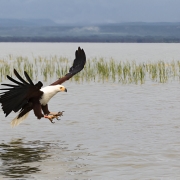
  • African Fish Eagle – Known for its breathtaking fishing techniques.
  • Goliath Heron – The largest heron species in the world.
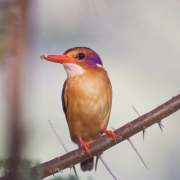
  • Pied Kingfisher – Often seen hovering above the water before diving for fish.
  • Greater Flamingo & Lesser Flamingo – Occasionally seen in the alkaline waters.
  • White-faced Whistling Duck – Common in the marshy areas.
  • Yellow-billed Stork – Easily identified by its bright yellow beak.

Savanna and Woodland Birds:

  • Northern Red Bishop – A striking red and black bird found in the reeds.
  • White-bellied Go-away Bird – Named for its distinctive “go-away” call.
  • Jackson’s Hornbill – A unique species endemic to the region.
  • Blue-cheeked Bee-eater – A beautiful migratory species.

Raptors and Night Birds:

  • Verreaux’s Eagle-Owl – One of the largest owl species in Africa.
  • Lanner Falcon – A fast and agile bird of prey.
  • Heuglin’s Courser – A secretive night bird often seen during night safaris.
  • Spotted Eagle-Owl – A well-camouflaged nocturnal predator.

Best Time for Birdwatching at Lake Baringo

Lake Baringo offers year-round birdwatching opportunities, but the best months to visit are November to April, when migratory birds from Europe and Asia arrive. Early mornings and late afternoons are the best times for birdwatching as birds are most active during these hours.

Birdwatching Safari Experience at Lake Baringo

A birdwatching safari at Lake Baringo includes diverse experiences, such as:

  • Boat Safaris – Get up close with water birds and raptors hunting for fish.
  • Guided Nature Walks – Explore the surrounding woodlands and cliffs with expert birding guides.
  • Night Birding Tours – Spot nocturnal species like the Verreaux’s Eagle-Owl and Heuglin’s Courser.
  • Photography Safaris – Capture stunning images of colorful birds in their natural habitat.

Other Wildlife in Lake Baringo

Apart from birds, Lake Baringo is home to a variety of wildlife, including Nile crocodiles, hippos, monitor lizards, and different species of snakes. The nearby cliffs also provide a habitat for rock hyraxes and small antelopes.

How to Get to Lake Baringo

  • By Road: The best route is via Nakuru and Marigat town, then a short drive to Lake Baringo.
  • By Air: The nearest airstrip is Kabarnet Airstrip, where chartered flights can land.
  • Public Transport: Buses and matatus operate from Nairobi to Kabarnet, with connections to Baringo.

Where to Stay at Lake Baringo

Accommodation options at Lake Baringo range from luxury lodges to budget-friendly campsites. Some recommended places to stay include:

  • Island Camp Baringo – A luxurious tented camp on an island.
  • Tumbili Cliff Lodge – Offers stunning views of the lake.
  • Robert’s Camp – A budget-friendly option with camping facilities.
  • Soi Safari Lodge – Located on the lakefront with great birdwatching opportunities.

Why Choose Lake Baringo for a Birdwatching Safari?

  1. Incredible Bird Diversity – Over 470 species, including water birds, raptors, and savanna species.
  2. Scenic Landscape – A beautiful setting with cliffs, islands, and acacia forests.
  3. Year-Round Birdwatching – Birds can be spotted throughout the year.
  4. Easy Accessibility – Well-connected by road and air from major cities.
  5. Expert Birding Guides – Knowledgeable local guides enhance the birdwatching experience.

Conclusion

A birdwatching safari at Lake Baringo is an absolute must for any birding enthusiast visiting Kenya. With its diverse bird species, stunning landscapes, and excellent safari experiences, Lake Baringo remains one of the best birding destinations in East Africa. Whether you’re looking for water birds, raptors, or rare nocturnal species, Lake Baringo guarantees an unforgettable birding adventure.

Book Your Birdwatching Safari Today!

Ready to explore the birding wonders of Lake Baringo? Plan your birdwatching safari today and witness some of Africa’s most spectacular bird species in their natural habitat!

Birdwatching Safaris in Kakamega Forest: A Paradise for Bird Lovers

Kakamega Forest, a lush tropical rainforest in western Kenya, is a haven for birdwatching enthusiasts and nature lovers. As Kenya’s only remnant of the ancient Guineo-Congolian rainforest, Kakamega Forest is home to an astonishing variety of bird species, many of which cannot be found anywhere else in the country. If you are looking for an unforgettable birdwatching safari in Kenya, Kakamega Forest should be at the top of your list.

Location of Kakamega Forest

Kakamega Forest is located in western Kenya, approximately 50 kilometers north of Kisumu and 420 kilometers from Nairobi. The forest spans about 238 square kilometers and is part of the Kakamega Forest National Reserve. This biodiversity hotspot is easily accessible via road from Kisumu or Eldoret, making it a perfect destination for nature lovers and birdwatchers.

Bird Species in Kakamega Forest

Kakamega Forest boasts over 450 recorded bird species, making it one of the richest birding destinations in East Africa. Some of the most sought-after birds in Kakamega Forest include:

Endemic and Rare Bird Species:

  • Great Blue Turaco – A stunning, large bird known for its bright blue and green plumage.
  • Turner’s Eremomela – A rare species found only in Kakamega Forest.
  • Blue-headed Bee-eater – A striking bird with vibrant blue and green feathers.
  • Yellow-crested Woodpecker – A beautiful woodpecker with distinctive yellow markings.

Other Common Birds:

  • African Grey Parrot
  • Black-and-white-casqued Hornbill
  • Bar-tailed Trogon
  • White-tailed Ant-Thrush
  • Chestnut Wattle-eye
  • Jameson’s Wattle-eye
  • Western Banded Snake Eagle
  • African Emerald Cuckoo
  • Ross’s Turaco
  • Dusky Crested Flycatcher

These species, among many others, make Kakamega Forest a prime birdwatching destination in Kenya. Whether you are an avid ornithologist or a casual bird lover, this forest provides a unique opportunity to observe rare and colorful birds in their natural habitat.

Best Time for Birdwatching in Kakamega Forest

The best time for birdwatching in Kakamega Forest is during the early mornings and late afternoons when birds are most active. While birdwatching safaris can be enjoyed year-round, the most productive months are March to May and September to November, which coincide with the rainy seasons when bird activity is at its peak. During this time, you can spot migratory species along with resident birds.

Birdwatching Safari Experience in Kakamega Forest

A guided birdwatching safari in Kakamega Forest enhances your chances of spotting rare and elusive species. Local bird guides are highly knowledgeable and can help you identify different birds by their calls and behaviors. A typical birdwatching safari in Kakamega Forest includes:

  • Early morning birdwatching walks
  • Exploring the forest trails and canopy viewpoints
  • Photographing rare and colorful bird species
  • Learning about the rich biodiversity of the rainforest

Other Wildlife in Kakamega Forest

Besides birds, Kakamega Forest is home to primates such as the De Brazza’s monkey, colobus monkeys, and red-tailed monkeys. The forest also harbors a variety of butterflies, reptiles, and amphibians, making it a vibrant ecosystem worth exploring.

How to Get to Kakamega Forest

  • By Road: Kakamega Forest is accessible via Kisumu or Eldoret. From Nairobi, you can take a bus or drive to Kakamega town, then proceed to the forest.
  • By Air: The nearest airport is Kisumu International Airport, from where you can hire a taxi or use public transport to reach the forest.

Where to Stay in Kakamega Forest

Accommodation options range from budget to mid-range and luxury lodges, including:

  • Rondo Retreat Lodge – A peaceful retreat offering excellent birdwatching opportunities.
  • Kakamega Forest Rest House – A budget-friendly option within the forest.
  • Camping Sites – Ideal for adventurous travelers who want to immerse themselves in nature.

Why Choose Kakamega Forest for a Birdwatching Safari?

  1. Unmatched Bird Diversity – Over 450 species, including rare and endemic birds.
  2. Scenic and Serene Environment – A lush, tropical rainforest with stunning landscapes.
  3. Accessible and Well-Preserved – Easily reachable from major cities and well-managed for conservation.
  4. Expert Local Guides – Enhance your birdwatching experience with knowledgeable birding guides.

Conclusion

A birdwatching safari in Kakamega Forest is a dream come true for nature lovers and bird enthusiasts. With its diverse bird species, lush forest setting, and rich biodiversity, it offers an unparalleled birding experience in Kenya. Whether you are a beginner or a seasoned birder, Kakamega Forest promises an exciting and rewarding birdwatching adventure.

Plan Your Birdwatching Safari Today!

Are you ready to explore the avian wonders of Kakamega Forest? Book your birdwatching safari today and experience the magic of Kenya’s only tropical rainforest!

Where to find birds in Kenya

Areas to Find Birds in Kenya

Kenya is a birder’s paradise, offering a wide range of habitats and an abundance of bird species. Whether you are a seasoned birder or a beginner, here are some top areas in Kenya where you can enjoy exceptional birdwatching opportunities:

1. Nairobi National Park: Located just outside the bustling capital city of Nairobi, this national park is home to over 400 bird species. Explore the Acacia woodlands, grassy plains, and the Athi River for a chance to spot unique species such as the Secretary Bird and the African Fish Eagle.

2. Maasai Mara National Reserve: Known for its iconic wildebeest migration, the Maasai Mara is also a birdwatcher’s delight. With over 550 bird species recorded, including the colorful Lilac-breasted Roller and the Kori Bustard, this vast savannah ecosystem promises breathtaking birding experiences.

3. Lake Nakuru National Park: This alkaline lake in the Great Rift Valley attracts thousands of flamingoes, creating a spectacle of pink. Besides the flamingoes, Lake Nakuru is a haven for over 450 bird species, including the African Jacana and the Goliath Heron.

4. Kakamega Forest: As one of the few remaining pockets of the Guineo-Congolian rainforest, Kakamega Forest is a must-visit for bird enthusiasts. With over 360 bird species, including the Great Blue Turaco and the Blue-headed Bee-eater, this lush forest offers a unique birding experience.

5. Aberdare National Park: Located in the central highlands of Kenya, this diverse montane ecosystem is home to around 290 bird species. Look out for the fascinating Jackson’s Widowbird and the beautiful African Crowned Eagle.

These are just a few of the many birding hotspots in Kenya. With its remarkable avian diversity, Kenya promises an unforgettable birdwatching adventure for enthusiasts from around the world.

Birds in Lake Baringo: A Haven of Avian Diversity

Lake Baringo, located in the Rift Valley of Kenya, is not just a picturesque destination for tourists, but also a thriving habitat for a wide variety of bird species. With its diverse habitats and favorable climate, the lake attracts a vast array of both resident and migratory birds, making it a paradise for birdwatchers and nature enthusiasts.

The lake’s freshwater ecosystem provides an ideal breeding ground and feeding habitat for over 500 bird species. Among them, the African fish eagle is a common sight, known for its distinctive call and remarkable fishing skills as it soars above the water, swooping down to catch its prey. Other raptors such as the goliath heron and the southern crested crane can also be spotted in the area.

For avid birdwatchers, Lake Baringo offers the opportunity to observe some rare and endangered species like the Jackson’s hornbill and the Baringo weaver. The lake is also home to a rich variety of waterfowl including pelicans, cormorants, and kingfishers, which can often be seen diving into the water in search of fish.

The surrounding area of Lake Baringo also hosts several bird sanctuaries and conservation projects, providing a safe haven for both resident and migratory birds. These initiatives play a crucial role in preserving the habitat and protecting the diverse avian population.

With its stunning landscapes and abundant birdlife, Lake Baringo is undoubtedly a must-visit destination for bird enthusiasts. Whether you are a seasoned birder or simply have an appreciation for the natural world, a visit to this remarkable lake is sure to leave you with memories of the captivating birds found in this breathtaking location.

Birds in Kakamega Forest: A Haven of Avian Diversity

Kakamega Forest, located in Western Kenya, is a true haven for bird enthusiasts and researchers alike. This sprawling rainforest is home to an impressive variety of bird species, making it an ideal destination for those seeking to explore and appreciate the wonders of avian life.

One prominent species found in Kakamega Forest is the Great Blue Turaco. With its vibrant blue and yellow feathers and a unique, echoing call, this beautiful bird is a sight to behold. Another notable resident is the Blue-headed Bee-eater, known for its striking combination of blue, green, and brown plumage. Its aerial prowess, as it gracefully swoops down to catch insects mid-flight, is a spectacle that should not be missed.

Kakamega Forest is also home to several secretive and elusive species, such as the African Green Broadbill. Found deep within the forest, this bird is known for its distinctive metallic-green plumage and its enchanting, melodic song.

Birdwatchers will also have the opportunity to spot a variety of tropical forest specialists, including the White-browed Crombec, Red-headed Malimbe, and Shelley’s Greenbul. These birds demonstrate the incredible adaptability of avian life within their unique and specialized niches.

The diversity of bird species found in Kakamega Forest is truly remarkable, and its preservation is essential for the conservation of these fragile ecosystems. Whether you are a seasoned birder or a curious nature enthusiast, a visit to this pristine forest promises an unforgettable experience filled with the sights and sounds of its